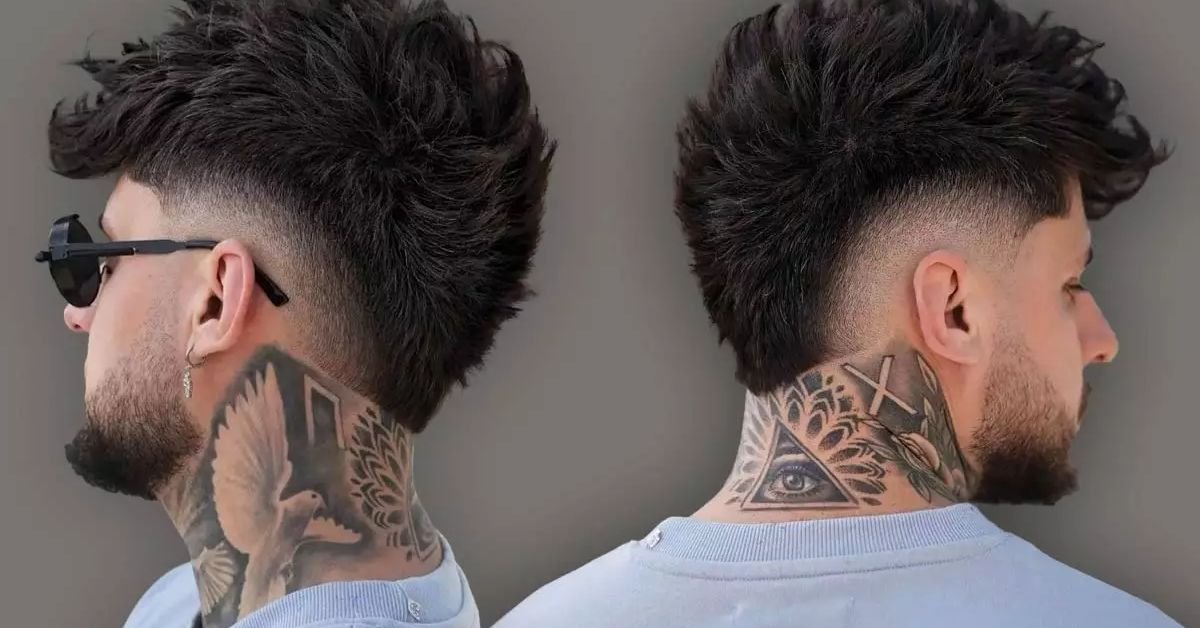
Few hairstyles in human history have sparked as much passion, debate, and pop-culture intrigue as the mullet haircut. Summarized by the iconic 1990s phrase “business in the front, party in the back,” this legendary cut features short, neatly groomed hair at the front and sides paired with significantly longer, flowing hair down the back.
Once dismissed as an outdated 1980s relic, the mullet has executed one of the most explosive comebacks in modern men’s and unisex fashion. Today, it is worn proudly by Premier League footballers, Hollywood celebrities, TikTok trendsetters, and barbershop style purists alike.
In this ultimate 2,000-word master guide for Style Barber, we will explore the deep history of the mullet, dissect its best modern variations, explain how to pick the right style for your face shape, give you a step-by-step styling routine, and answer every question you might have about growing and maintaining one.
1. The Surprising History of the Mullet Haircut
While most people associate the mullet with 1980s rockstars and 1990s country singers, its functional roots trace back thousands of years.
 [ Ancient Warriors / Hunters ] ──► Keeping forehead clear while neck stayed warm
               │
               ▼
 [ 1970s Glam Rock Era ]        ──► David Bowie (Ziggy Stardust) introduces sharp layers
               │
               ▼
 [ 1980s - 1990s Pop Culture ]  ──► Billy Ray Cyrus, Patrick Swayze & Andre Agassi
               │
               ▼
 [ The 2020s Modern Revival ]   ──► Fade techniques, textured layers & wolf cuts
Ancient Origins: Functional Survival
Historians note that early prehistoric hunters, Roman warriors, and Native American tribes wore primitive versions of the mullet. The functional logic was simple: cutting hair short around the face and eyes prevented it from obstructing vision during battle or hunting, while leaving long hair at the back protected the neck from sunburn, rain, and cold winds.
The Glam Rock & 80s Explosion
The haircut gained its rebellious fashion status during the 1970s, largely popularized by David Bowie and his alien alter-ego Ziggy Stardust. By the 1980s, the mullet went mainstream. Everyone from rock legends like Rod Stewart and Joan Jett to Hollywood stars like Patrick Swayze and Kurt Russell embraced the style.
The Coining of the Name
Surprisingly, the term “mullet” was not widely used in the 1980s. The term was actually popularized in 1994 by the American hip-hop group The Beastie Boys with their satirical track “Mullet Head.”
The Modern Renaissance
Around 2020–2021, the mullet underwent a massive high-fashion transformation. Barbers integrated sharp barbershop techniques—such as skin fades, tapers, burst fades, and textured crops—turning the once-mocked cut into a sophisticated, high-contrast trend.
2. Anatomical Breakdown of a Mullet Haircut
Understanding how a mullet is structured helps you communicate precisely with your barber:
- The Front (Bangs / Fringe): Can range from short micro-fringe, straight blunt cuts, or swept curtain layers.
- The Sides (Temples / Ears): The key area of contrast. Can be faded down to the skin, tapered cleanly, or scissor-cut short.
- The Top (Crown): Cut short to medium, often layered heavily to build texture and vertical volume.
- The Back (Nape / Tail): The signature section. Extends anywhere from collar-length to well past the shoulders.
3. Top Trending Modern Mullet Variations
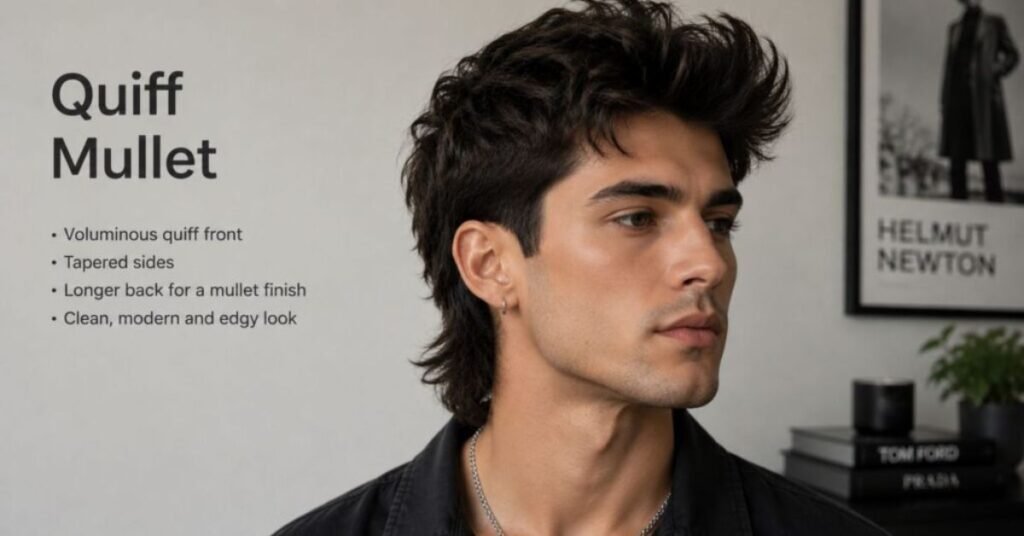
The modern mullet is not a single uniform style; it is an adaptable template. Here are the top mullet variations dominating barbershops today:
1. The Modern Mullet (Subtle & Wearable)
If you want to try the style without making an overly loud statement, the modern mullet is the place to start. The contrast between the short sides and long back is soft and well-blended, utilizing seamless scissor layering rather than harsh razor skin fades.
2. Fade Mullet (Taper Fade Mullet)
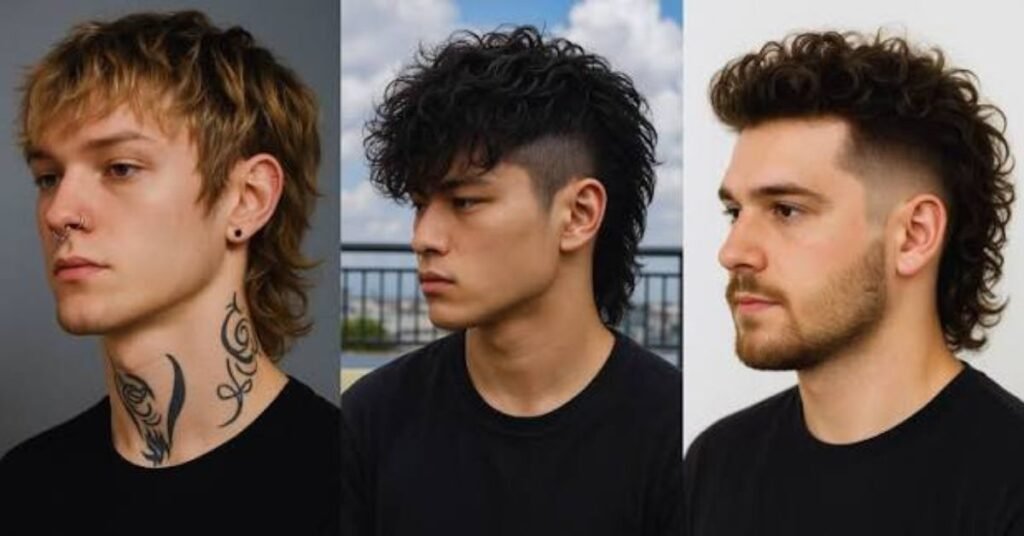
Combining crisp barbershop fade techniques with the mullet silhouette, the fade mullet shaves or tapers the hair around the temples clean down to the skin while leaving plenty of volume on top and a longer tail flowing down the back.
3. Burst Fade Mullet
Popularized by athletes and urban barbershops, the burst fade creates a circular, sunburst-like fade around the ear while preserving full hair density along the crown, top, and nape.
4. Curly / Wavy Mullet
Naturally textured hair makes for some of the best mullets. The curls add natural bounce, volume, and movement, giving the back flow an effortless, low-maintenance aesthetic that controls side bulk while accentuating natural waves.
5. The Wolf Cut (Mullet-Shag Hybrid)
A heavily layered, unisex style made famous on TikTok. It blends a long mullet with a 1970s shag cut, featuring wispy curtain bangs at the front, heavy choppy texture around the crown, and soft feathered layers flowing down the back.
6. The French Crop Mullet
A sharp fusion of two massive trends. It features a textured top combed forward into a short horizontal fringe across the forehead, tight faded sides, and a distinct mullet tail extending behind the neck.
4. Mullet Styles Comparison Matrix
| Mullet Variation | Side Length | Back Flow Length | Contrast Level | Best Hair Texture | Maintenance Level |
| Modern Mullet | Short / Tapered | Medium (Collar level) | Low / Medium | All Hair Types | Low |
| Fade Mullet | Skin Fade (#0) | Medium to Long | Very High | Straight / Wavy | High (Frequent fades) |
| Burst Fade Mullet | Skin / Micro Fade | Long | High | Curly / Coily / Wavy | High |
| Curly Mullet | Tapered / Faded | Medium to Long | Medium | Natural Curls / Waves | Low / Medium |
| Wolf Cut | Layered Medium | Long (Feathered) | Medium | Wavy / Straight | Low |
| Crop Mullet | High Skin Fade | Medium | High | Straight / Fine | High |
5. How to Choose a Mullet for Your Face Shape
Because a mullet shifts volume and contrast around your head, choosing the right variation helps balance your facial structure:
- Round Face: Choose a High Fade Mullet with textured vertical height on top. The faded sides and top volume visually lengthen your face profile.
- Oval Face: Congratulations! Oval face shapes suit almost every mullet variation, from extreme burst fade mullets to soft classic shapes.
- Square Face: A Curly or Wavy Low Taper Mullet softens sharp jawlines while maintaining strong, masculine framing around the cheekbones.
- Heart / Triangle Face: Opt for a Wolf Cut or Medium Modern Mullet with curtain bangs to balance a narrower chin and wider forehead.
6. How to Ask Your Barber for a Mullet Haircut
To avoid getting a standard trim when you actually want a sharp mullet, bring clarity to your appointment:
- Bring 2–3 Clear Photos: Show your barber photos displaying the front, sides, and back of the exact style you want.
- Specify the Side Treatment: Tell your barber whether you want a clean skin fade, a low taper, or scissor-cut sides.
- Determine the Back Length: Decide how long you want the tail to be (e.g., stopping at the collarbone vs. flowing down the upper back).
- Discuss Top Texture: Mention if you plan to style the top messy with matte clay or keep it slicked back.
7. Step-by-Step Mullet Styling & Product Guide
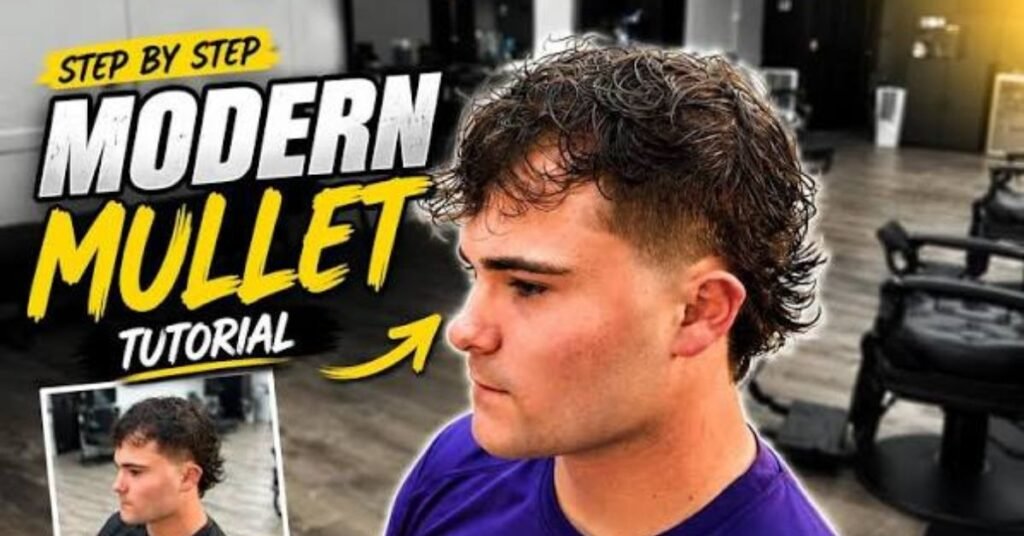
A great mullet relies heavily on texture, movement, and separation. Here is a daily styling routine to keep your cut looking sharp:
Step 1: Prep with Sea Salt Spray
After washing, spritz sea salt spray generously through damp hair. This adds natural grip, wave, and volume before you even apply heating tools or pomades.
Step 2: Blow-Dry for Volume and Shape
- Blow-dry the top and crown upward and slightly backward to build height.
- Blow-dry the front fringe into your desired position (forward for crops, outward for curtain bangs).
- Use your fingers to scrunch the back layers as they dry to accentuate natural wave and texture.
Step 3: Apply Styling Product
- For Matte / Messy Look: Work a dime-sized amount of matte clay or hair powder through the top and back to define individual strands.
- For Classic / Shine Look: Use a medium-shine pomade and comb the front neatly while leaving the back flowing naturally.
- For Curly Hair: Apply a leave-in curl cream to damp hair and let it air-dry to prevent frizz.
8. Frequently Asked Questions (FAQs)
How long does it take to grow out a mullet?
If starting from a short standard haircut, it typically takes 3 to 6 months of growth to build enough length at the back for a noticeable mullet silhouette.
Can you get a mullet if you have straight fine hair?
Yes! Fine straight hair benefits greatly from texturizing powder and sea salt spray, which prevent the back from looking flat or limp.
How often should I trim my mullet?
Schedule a visit to your barber every 3 to 4 weeks to clean up the sides, temples, and neck perimeter while keeping the length in the back growing strong.
Is the mullet professional enough for office environments?
A Modern Low Taper Mullet with subtle contrast is widely accepted in modern business and corporate settings today.
Final Thoughts
The mullet haircut has proven that it is far more than a temporary viral fad. Blending rich historical roots with cutting-edge modern barber techniques, it remains one of the ultimate statements of confidence, style, and individuality.