When you look at modern youth culture, street fashion, and viral grooming trends across social media platforms, few hairstyles command as much immediate attention as the Edgar haircut. Bold, sharp, and unapologetically distinct, this high-contrast cut has taken barbershops by storm worldwide. By combining a flat, straight-across horizontal fringe with clean faded or tapered sides, the Edgar haircut breaks away from soft traditional blends to deliver a striking, geometric look that sharpens your facial features instantly.
Whether you want an edgy style for your daily routine or want to understand how to customize this cut for your specific head shape, this ultimate guide for Style Barber breaks down the origins, modern variations, styling routines, and essential barber communication tips for the Edgar haircut.
What Exactly is the Edgar Haircut?
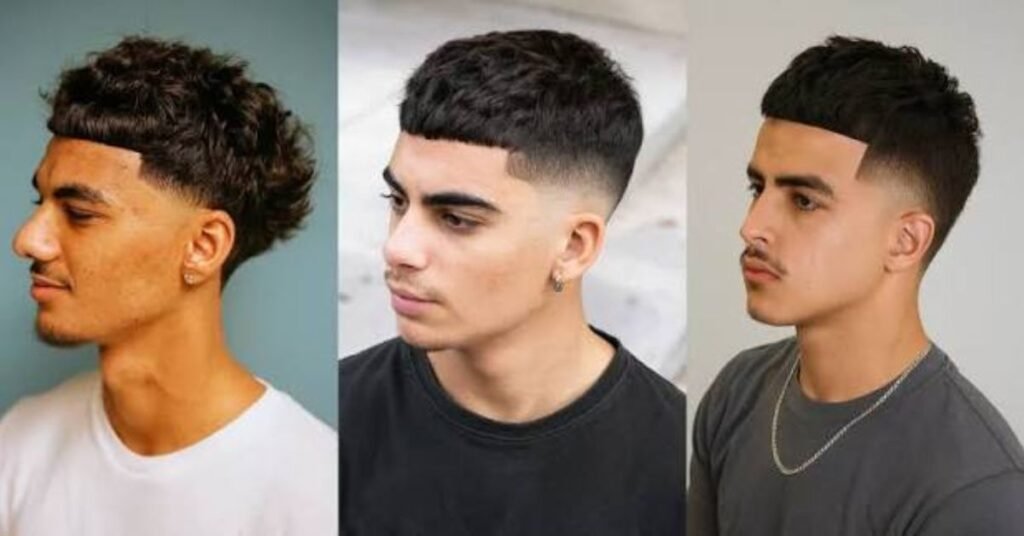
The Edgar haircut—often called the hood Caesar or Takuache haircut—is a modern, short men’s hairstyle defined by three main structural elements: a sharp, straight-across fringe cut horizontally across the forehead, a short textured or flat top, and high-contrast faded or tapered sides. Unlike a classic French crop or Caesar cut where the fringe is wispier or textured softly, the signature hallmark of an Edgar cut is its high visual definition and crisp horizontal line along the hairline.
   [ SHORT FLAT / TEXTURED TOP ] ──► Extends into a sharp, straight horizontal fringe
                 │
                 ▼
   [ SIDES AND BACK ]           ──► High Skin Fade, Taper Fade, or Burst Fade
The Cultural Origins of the Edgar Cut
The roots of the Edgar haircut trace back to Indigenous Mexican heritage, particularly inspired by early agricultural workers and traditional bowl cuts worn by Native American tribes in northern Mexico and the southwestern United States. Over the past decade, the style was revitalized by Latino youth culture and urban barbershops across Texas, New Mexico, Arizona, and California, quickly spreading into global streetwear culture via TikTok and Instagram.
The popular name “Edgar” allegedly originated when a client asked a barber to shave the face of former MLB baseball player Edgar Martínez into the back of his head while keeping a classic straight-fringe crop on top. Over time, the name stuck, transforming into an umbrella term for any short cut featuring a defined horizontal fringe and faded sides.
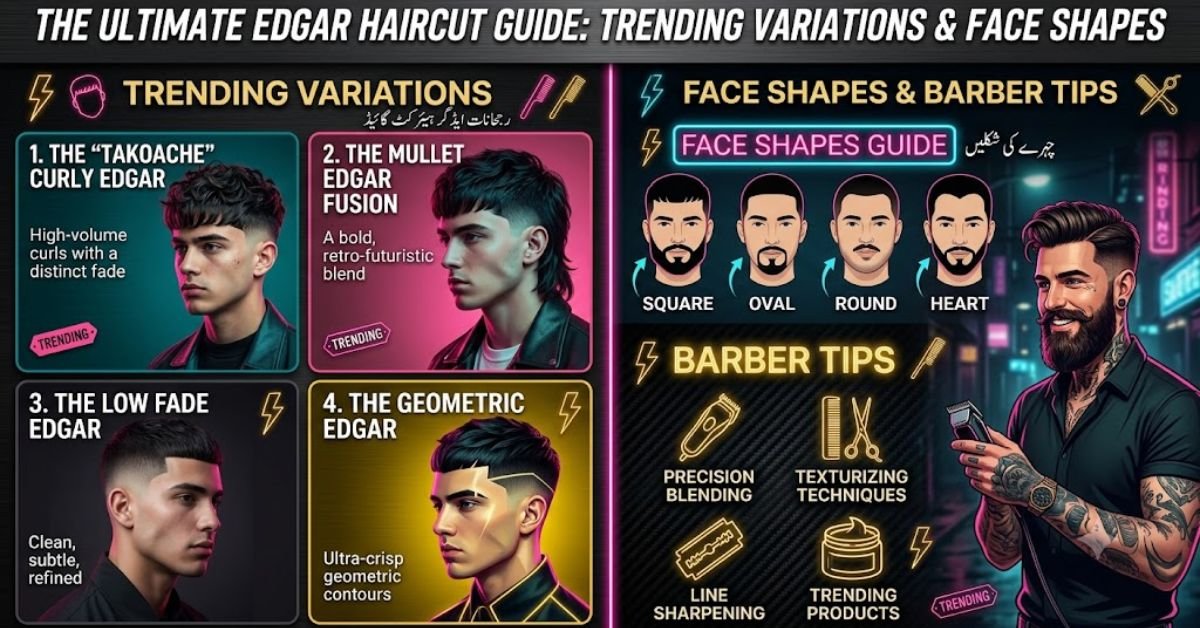
Top Modern Edgar Haircut Variations
Barbers have developed several creative variations of the Edgar cut to suit different hair textures, face shapes, and personal preferences:
1. Classic Edgar Haircut
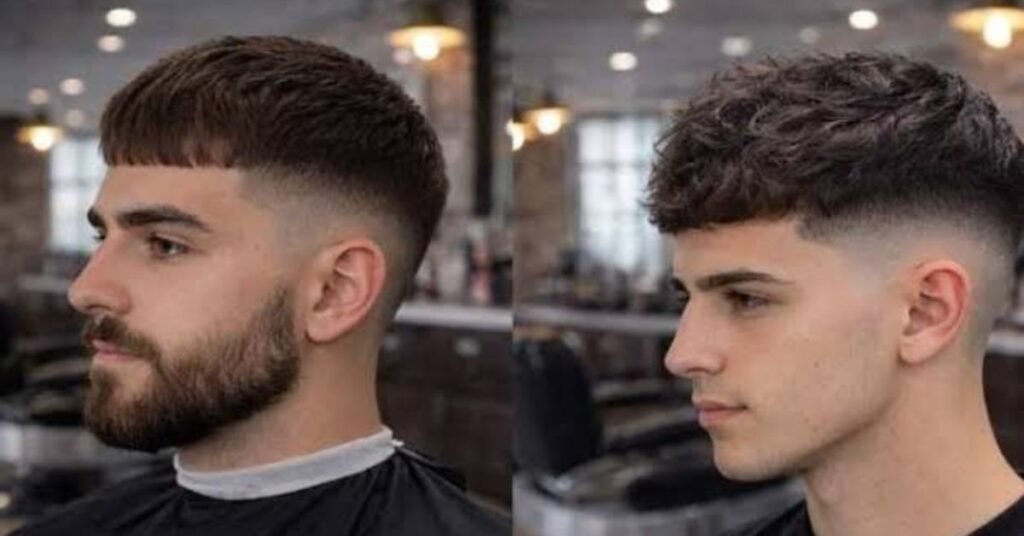
The traditional version features a completely flat, straight-across fringe cut high on the forehead paired with a high skin fade around the sides and back. It delivers maximum contrast and a bold, geometric finish that keeps all visual focus on your hairline.
2. Textured / Messy Edgar Cut
For guys who prefer a softer, less rigid top, the textured Edgar cut incorporates point-cutting and razor layering through the crown. You style the top with matte clay or hair powder for choppy, piecey movement while keeping the front fringe straight and clean.
3. Taper Fade Edgar Cut
Instead of a full wrap-around skin fade, the taper fade Edgar keeps subtle hair density around the ears while micro-blending strictly at the sideburns and the bottom of the nape. This variation offers a slightly more balanced, conservative profile while maintaining the iconic front fringe.
4. Curly Edgar Haircut
Natural curls and coily hair textures adapt exceptionally well to the Edgar template. Your barber fades the sides tight to bare skin while trimming the top curls forward so they sit in a heavy, textured horizontal line across your forehead, taming volume while keeping edges crisp.
5. Line-Up / Geometric Edgar
Taken up a notch with precision detail trimmers, this variation features razor-sharp temple angles and clean line-ups along the corners where your fringe meets your sideburns, giving you a ultra-polished, razor-cut aesthetic.
Edgar Cut vs. French Crop vs. Caesar Cut
| Feature | Edgar Haircut | French Crop | Caesar Cut |
| Fringe Shape | Flat, straight-across horizontal line | Textured, natural, or wispy | Short, uniform micro-fringe |
| Side Treatment | High Skin Fade or Taper Fade | Low/Mid Fade or Taper | Short uniform taper |
| Top Finish | Flat or heavy block layers | Forward-swept textured layers | Uniform short length all over |
| Overall Contrast | Extremely High | Moderate to High | Low to Moderate |
Find the Right Edgar Haircut for Your Face Shape
- Oval Face Shapes: Oval faces naturally handle the sharp horizontal line of an Edgar fringe without disrupting overall facial proportions.
- Long / Oblong Face Shapes: The straight-across fringe acts as a visual break, shortening forehead length and balancing longer face profiles effectively.
- Round Face Shapes: Opt for an Edgar Cut with a High Skin Fade to create vertical contrast on the sides and prevent your head from looking overly round.
- Square Face Shapes: A Taper Fade Edgar softens sharp angular jawlines while maintaining strong framing around your temples and forehead.
How to Ask Your Barber for an Edgar Haircut
To avoid getting a standard buzz or basic crop when sitting in the barber chair, communicate these precise details to your stylist:
- Specify the Fringe Line: Tell your barber explicitly where you want the horizontal line to sit on your forehead (e.g., mid-forehead vs. just above the eyebrows).
- Choose Your Fade Height: State clearly whether you prefer a High Skin Fade, Mid Taper, or Burst Fade on the sides.
- Decide the Top Texture: Let your barber know if you want a flat, heavy blunt cut on top or choppy point-cut layering for a messy texture.
- Bring Clear Visuals: Show 1 or 2 reference pictures displaying both the front fringe line and side fade depth so you both stay aligned.
How to Style and Maintain Your Edgar Cut
Simple Styling Routine:
- Step 1: Wash and towel-dry your hair thoroughly after showering.
- Step 2: Apply a dime-sized amount of matte styling clay or hair texturizing powder into dry hair to ensure a shine-free, natural look.
- Step 3: Use a fine-tooth comb to work the fringe straight forward over your forehead, making sure the horizontal line remains flat and clean. Use your fingers to lightly mess up the crown area if you chose a textured top variation.
Maintenance Schedule:
Because the defining feature of an Edgar haircut is its crisp, straight horizontal line and blurred side transition, natural hair growth will soften the look quickly. Plan to visit your barber every 10 to 14 days for a quick fringe line-up and side fade touch-up.
Frequently Asked Questions (FAQs)
Does an Edgar haircut work on straight fine hair?
Yes! Straight fine hair actually holds the flat horizontal fringe shape very easily. Using a bit of matte hair dust or styling powder adds grip and volume so the top layers stay full rather than lying completely flat.
Is the Edgar haircut high maintenance?
While daily styling takes less than two minutes every morning, maintaining the razor-sharp side fade and crisp front hairline requires regular visits to your barbershop every two weeks.
Final Thoughts
The Edgar haircut is a powerful representation of modern street culture blended with precision barbering techniques. If you want a bold, head-turning hairstyle that frames your face, highlights your features, and requires minimal daily styling effort, the Edgar cut is an outstanding choice to explore with your barber.