When it cMaine aap ke pichle Crew Cut wale blog ko mukammal taur par active voice, chhote sentences, aur behtar flow ke sath rewrite kar diya hai. Ab iski readability bohot smooth hai aur parhne wale ko direct engage karegi:
The Ultimate Crew Cut Guide: Styles, Face Shapes, and Barber Advice
Looking for a timeless, masculine, and easy-to-manage hairstyle? The crew cut is your best bet. Men everywhere choose this haircut for its sharp profile and effortless daily styling. You get a low-maintenance look without sacrificing structure.
Whether you want a sharp business-ready aesthetic, an athletic everyday look, or a modern high-contrast skin fade, the crew cut delivers.
In this ultimate guide for Style Barber, we will explore what makes the crew cut great, break down its history, show you the top modern styles, and teach you how to ask your barber for the perfect cut.
What Exactly is a Crew Cut?
In a crew cut, barbers cut the hair on top short but leave a little extra length at the front hairline. They taper the hair gradually as it moves toward the crown of your head. For the sides and back, barbers trim the hair very short, often using a fade or taper technique.
Unlike a buzz cut, which uses one single clipper length all over, the crew cut gives you a distinct front-to-back length gradient. This gradient lets you sweep or texture the front hair slightly upward or to the side.
The History Behind the Cut
Ivy League university rowing teams (like Yale and Princeton) created the crew cut in the 1920s and 1930s. Rowers, or “crews,” needed short haircuts to keep the wind from blowing hair into their eyes during fast-paced races.
 [ 1920s Ivy League Rowers ] ──► Rowers cut hair short to keep it out of their eyes.
              │
              ▼
 [ Military Adoption (WWII) ] ──► The military adopted it for hygiene and helmet comfort.
              │
              ▼
 [ Modern Barbering Era ]     ──► Barbers pair it with skin fades, tapers, and matte textures.
During World War II, the U.S. military adopted the style because it was clean and fit easily under helmets. Today, it has transitioned from athletic and military roots into a staple of modern men’s fashion.
Top Modern Crew Cut Variations
Today’s barbers have upgraded the traditional Ivy League cut by adding clean fades and fresh textures:
1. The Classic Crew Cut
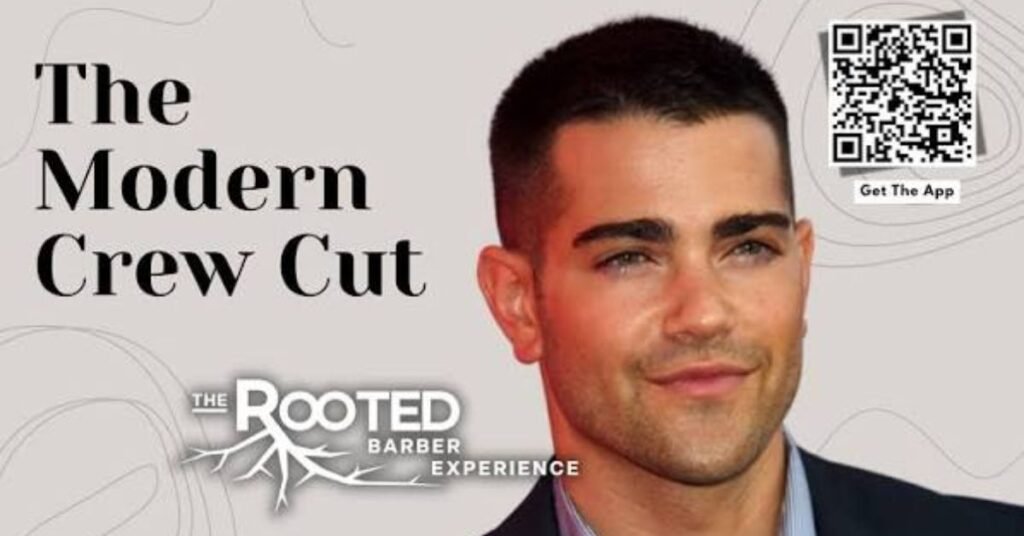
Barbers keep a short, subtle taper on the sides using clipper guards (#2 or #3). You wear the top short and neat, combing it slightly forward with a subtle sweep at the front.
2. Crew Cut with Skin Fade
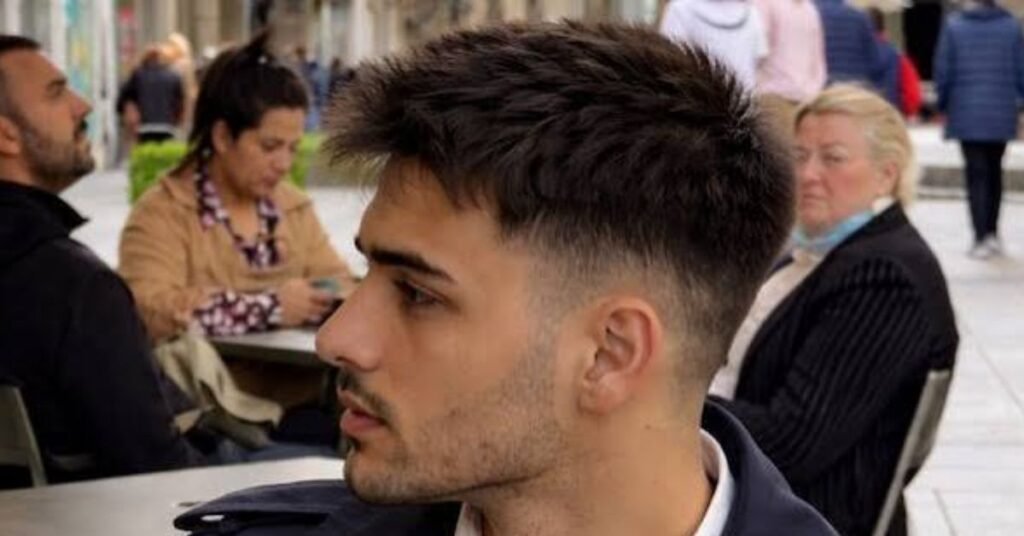
A modern favorite. Barbers fade the sides and back cleanly down to bare skin. This creates a striking contrast that instantly highlights the volume and shape on top.
3. Textured / Messy Crew Cut
Instead of leaving a smooth finish, barbers use razors to layer the top. You style it with matte clay to create an edgy, messy texture perfect for casual weekends.
4. Ivy League Cut (Long Crew Cut)
Also known as the Princeton cut. Barbers leave about 1 to 2 inches of length at the front, allowing you to style a neat side part or a classic short quiff.
5. Short Crew Cut (High & Tight Crew)
This style borders on a buzz cut. Barbers cut the top gradient extremely short and take the side fade up high to the skin.
Crew Cut vs. Buzz Cut vs. French Crop
| Feature | Crew Cut | Buzz Cut | French Crop |
| Top Length | Longer at front, tapers to crown | Uniform length all over | Uniform medium-short top |
| Front Bangs | Short, swept up or sideways | None | Short, swept forward |
| Contrast Level | Moderate to High | Low to High | High |
| Daily Styling | Minimal (Under 1 minute) | None | Minimal (Needs texturizing) |
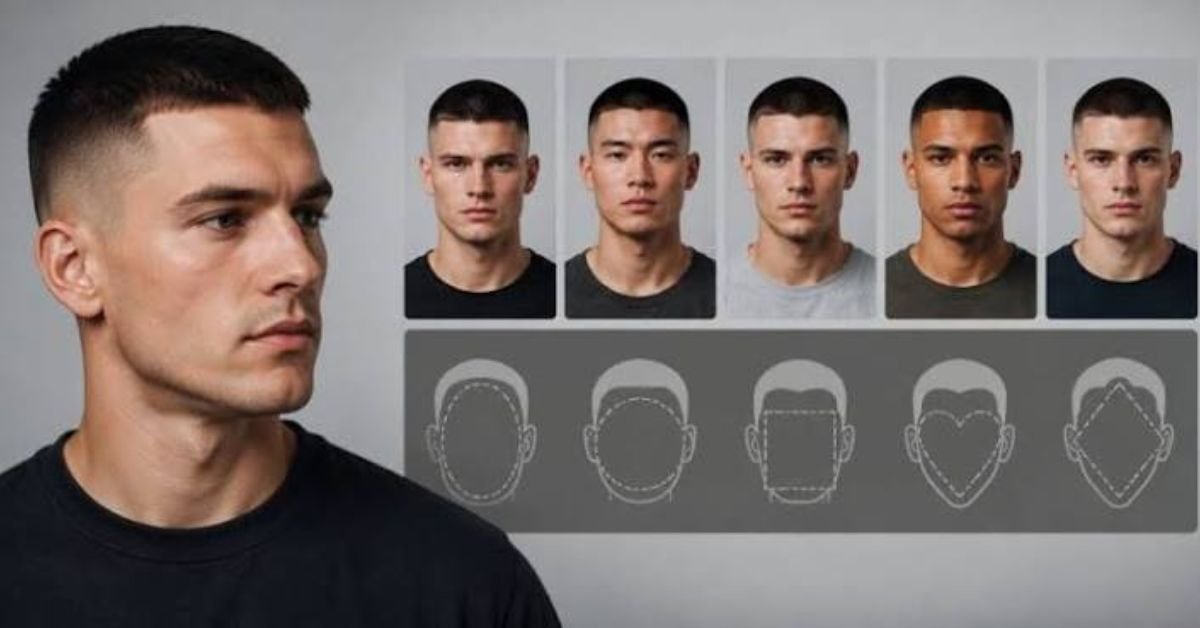
Find the Right Crew Cut for Your Face Shape
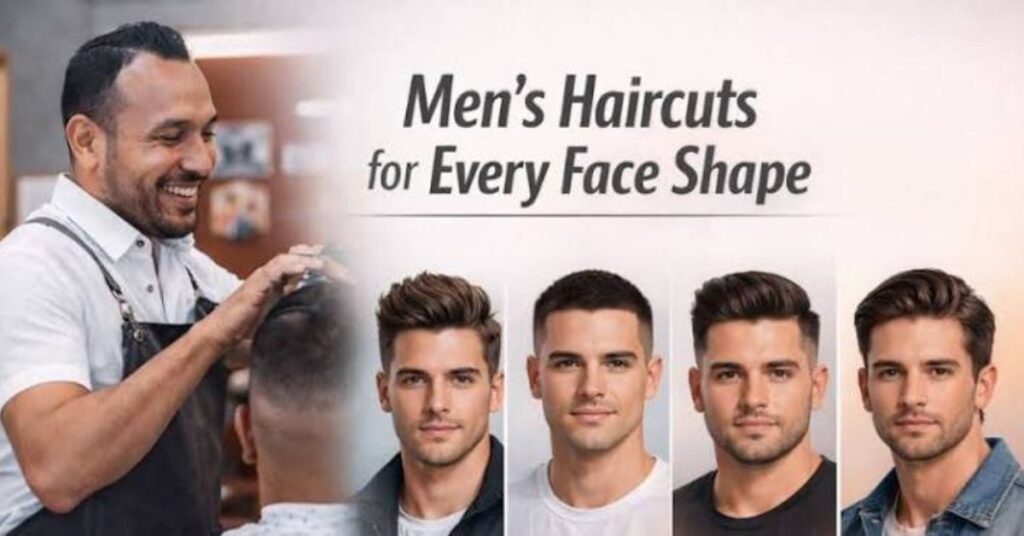
- Square Face: Your strong jawline pairs perfectly with a classic crew cut or a low taper crew.
- Round Face: Ask your barber for a High Skin Fade Crew Cut. Adding a bit of vertical height at the front elongates your face.
- Oval Face: You can pull off almost any crew cut style, from ultra-short versions to longer Ivy League cuts.
- Long / Oblong Face: Stick to a Low Taper Crew Cut. This prevents you from adding too much extra height on top.
How to Talk to Your Barber
Get the exact cut you want by giving your barber clear instructions:
- Specify the Front Length: Tell the barber exactly how much hair you want at the front (e.g., 1 inch vs. 1/2 inch) so you can style it easily.
- Choose Your Sides: State clearly whether you want a Low Taper, Mid Fade, or High Skin Fade.
- Ask for Texture: Request point-cutting on top if you want a modern textured look instead of a flat military finish.
- Show a Photo: Bring 1 or 2 reference pictures so you and your barber stay on the exact same page.
How to Style and Maintain Your Cut
Your 1-Minute Styling Routine:
- For a Messy Look: Grab a dime-sized amount of matte clay or styling powder. Rub it into dry hair, using your fingers to push the front upward and sideways.
- For a Professional Look: Apply a small dab of medium-shine pomade to slightly damp hair and comb the front diagonally.
Your Maintenance Schedule:
Crew cuts rely on clean lines and structured gradients. Book a visit to your barber every 2 to 3 weeks to keep the fade looking fresh and sharp.
Frequently Asked Questions (FAQs)
Does a crew cut work well for thinning hair?
Absolutely. Because the crew cut keeps the sides short, it reduces the visual contrast between your thinning spots and thicker hair, making your overall hair look much fuller.
How long does my hair need to be before I get a crew cut?
You only need about 0.5 to 1.5 inches of hair at the front. This makes the crew cut an incredibly easy style to transition into from almost any current length.
Final Thoughts
The crew cut remains an undisputed classic in men’s grooming. It combines a rich athletic history with fast daily styling and sharp visual appeal. If you want to elevate your everyday look with zero stress, the crew cut is the way to go.